Tele Evo
The Tele taken where Teles do not go: twenty-four frets, stainless steel frets, six or seven strings. Same shape, different destination — this one is built for low tunings and fast hands.
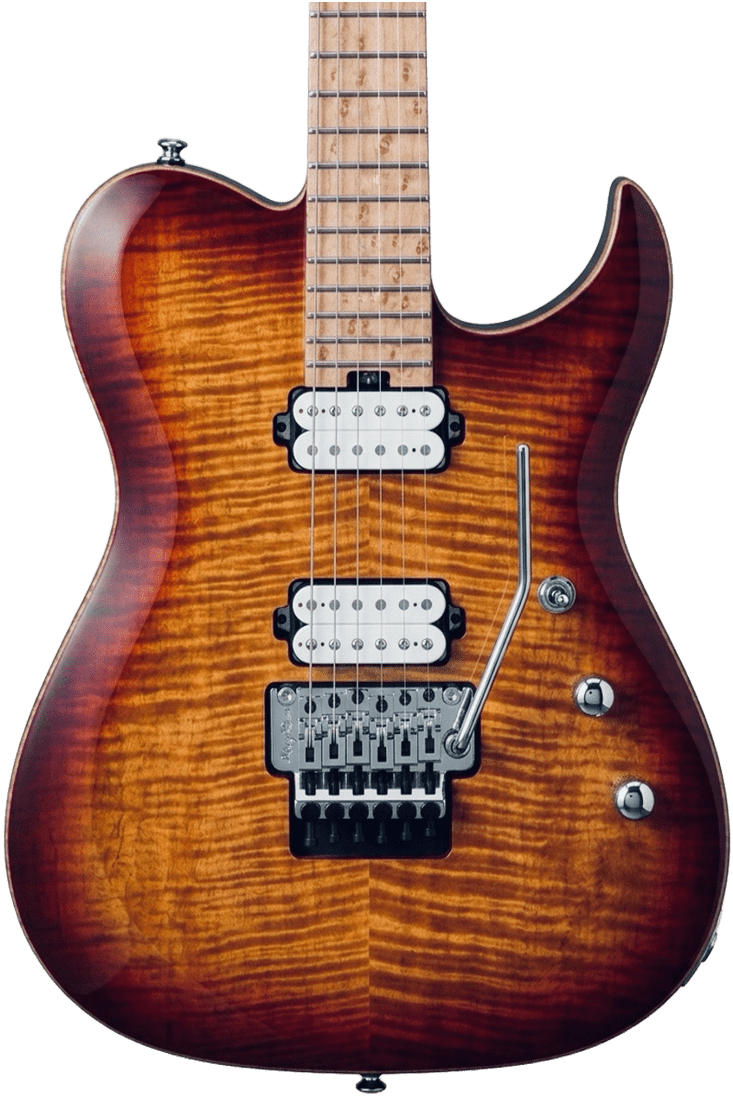
- Tabacco
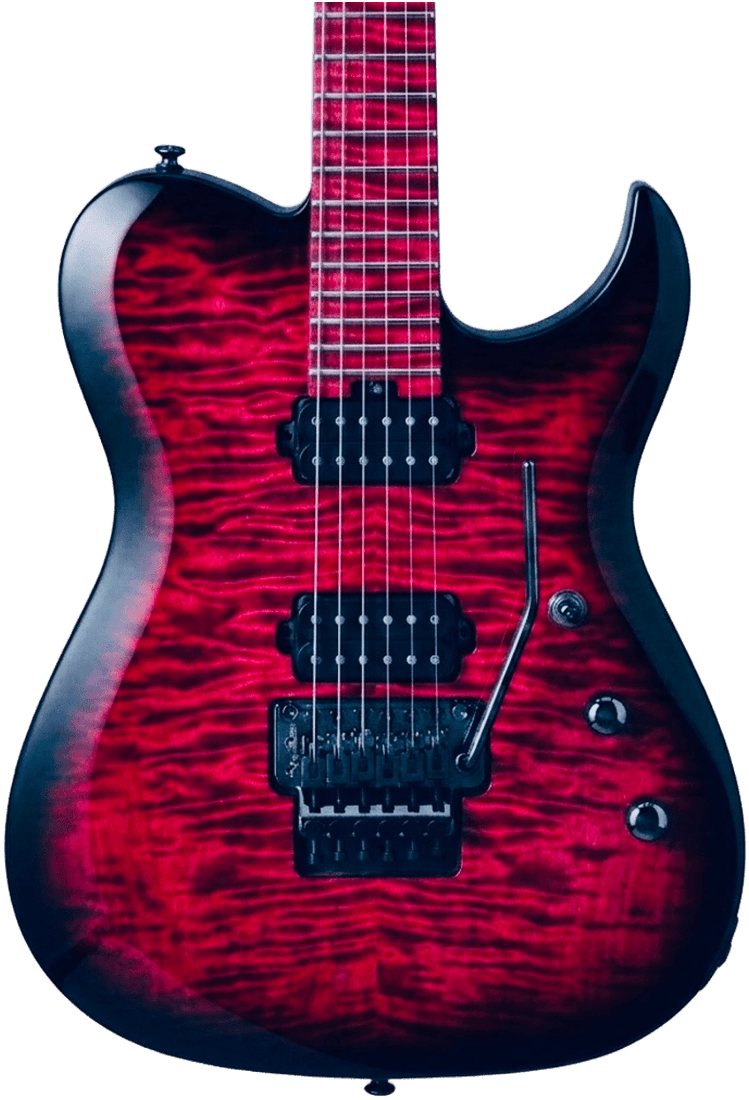
- Carminio
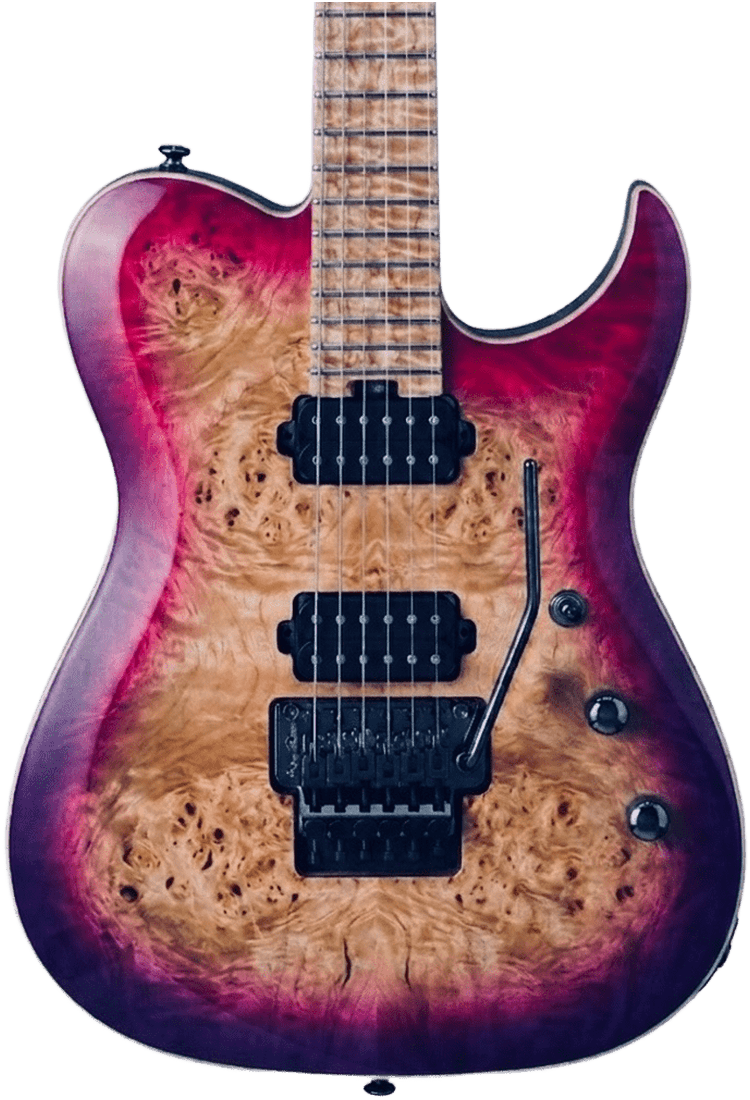
- Ciclamino
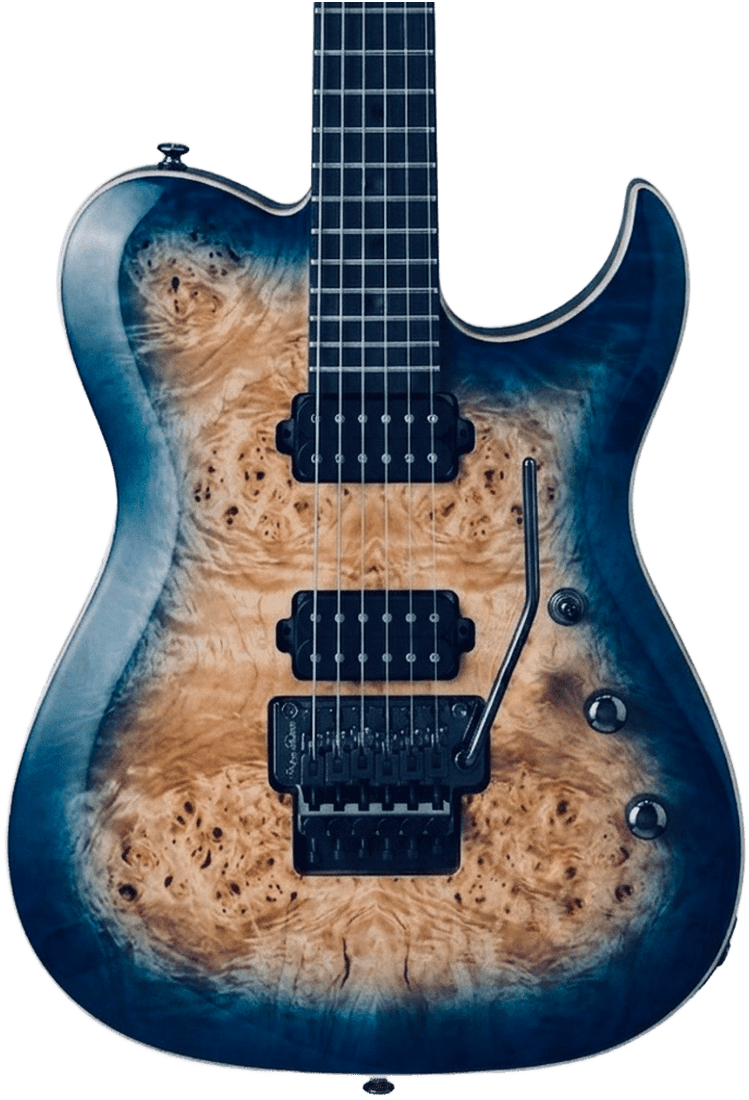
- Boreale
- Cobalto
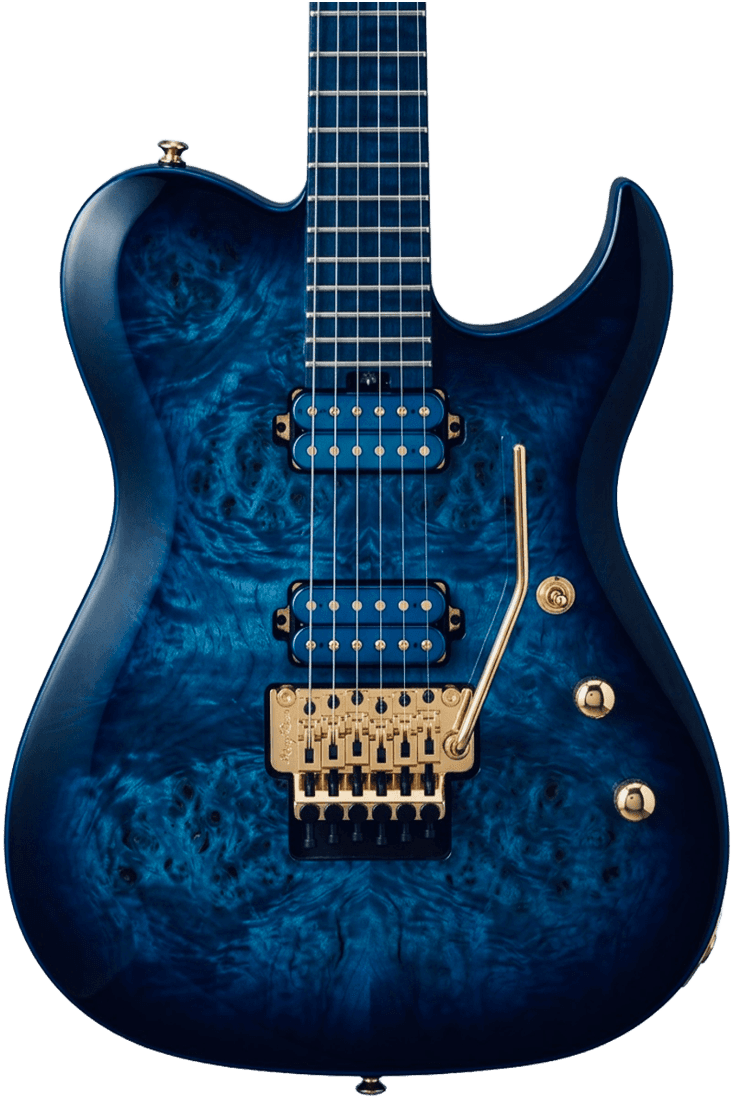
- Marea
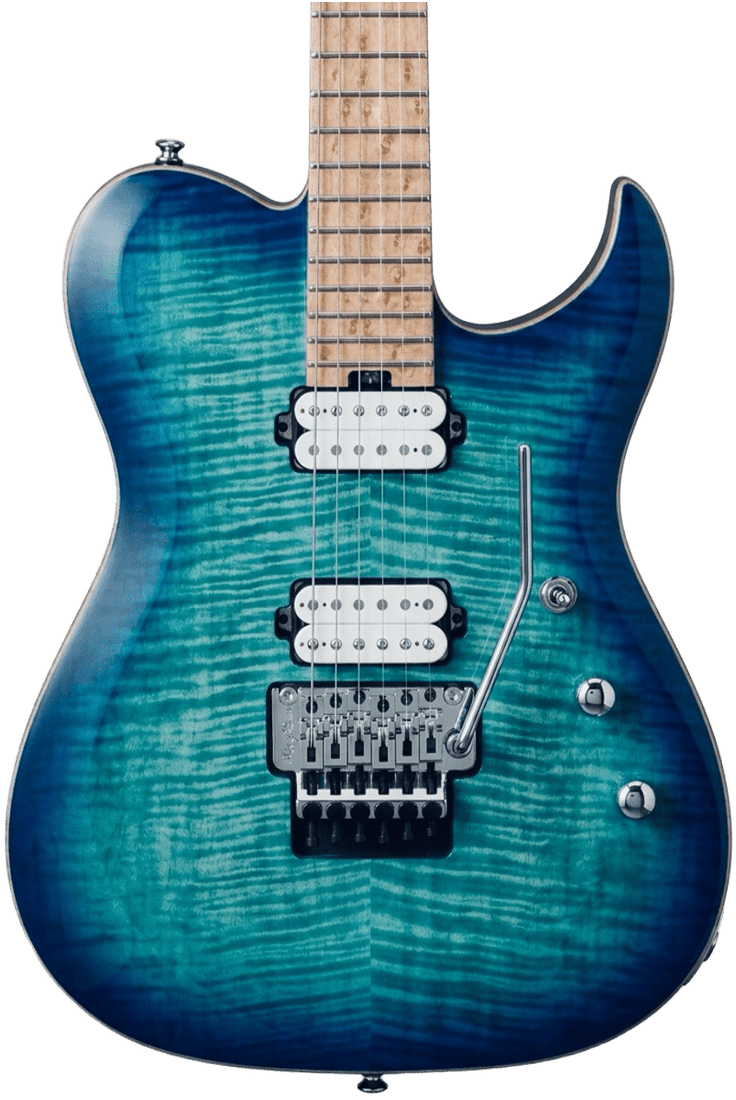
- Bruma
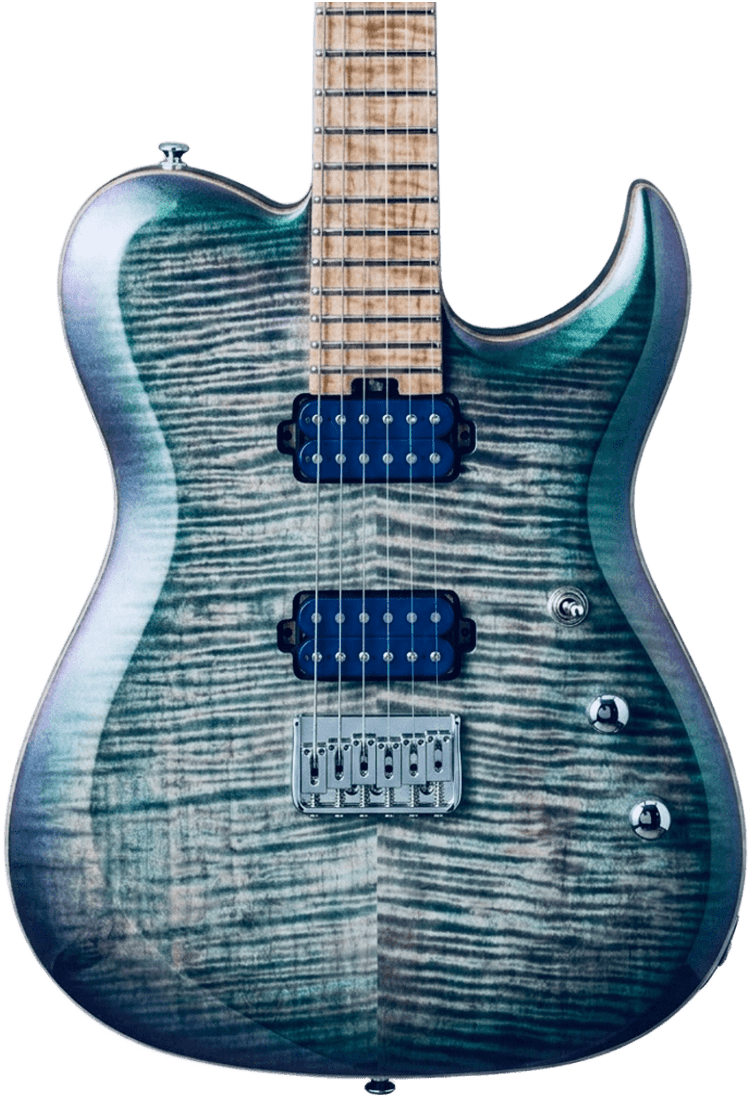
- Cenere
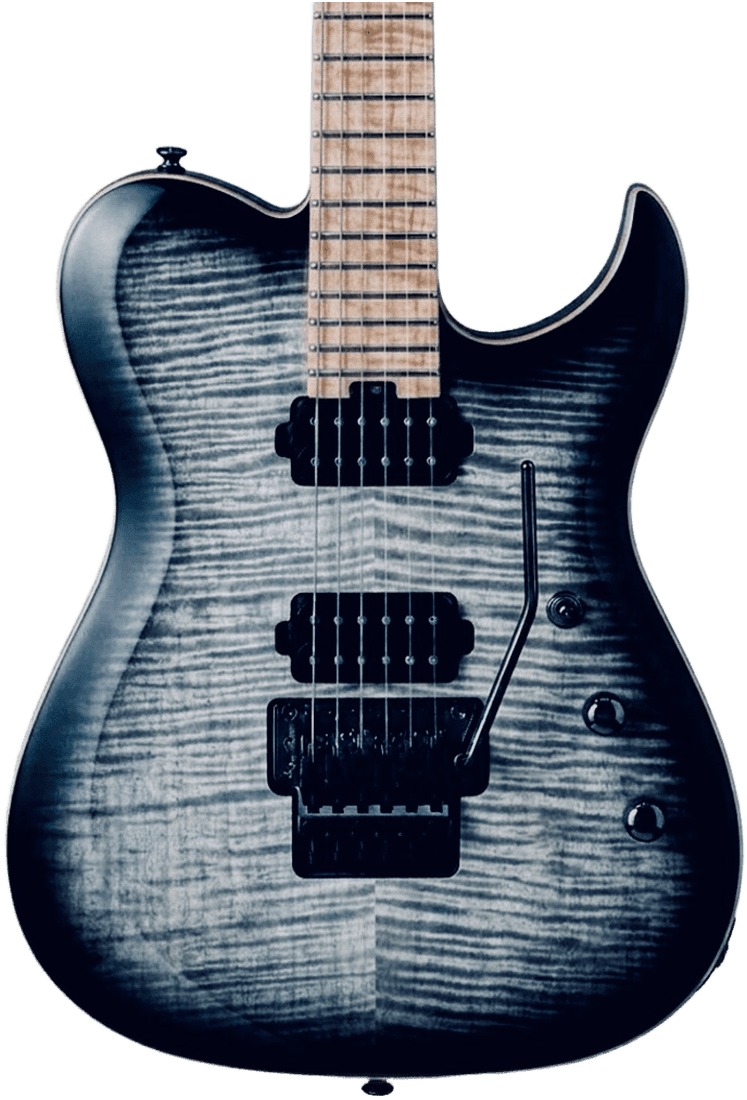
- Abisso
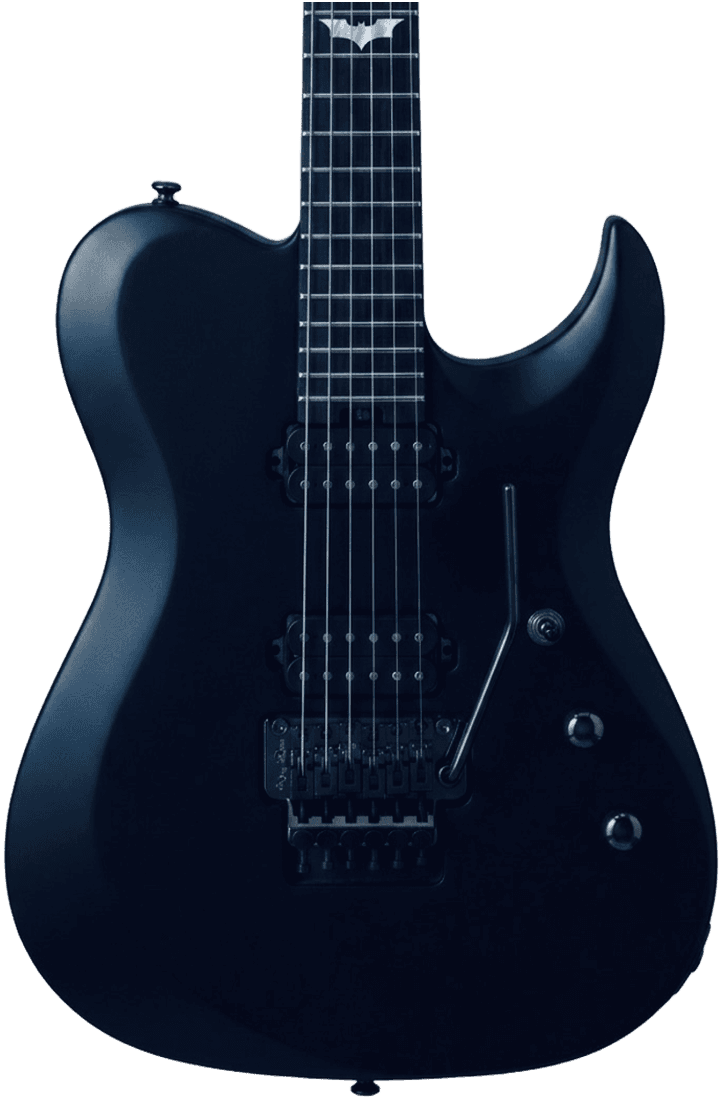
- Galassia
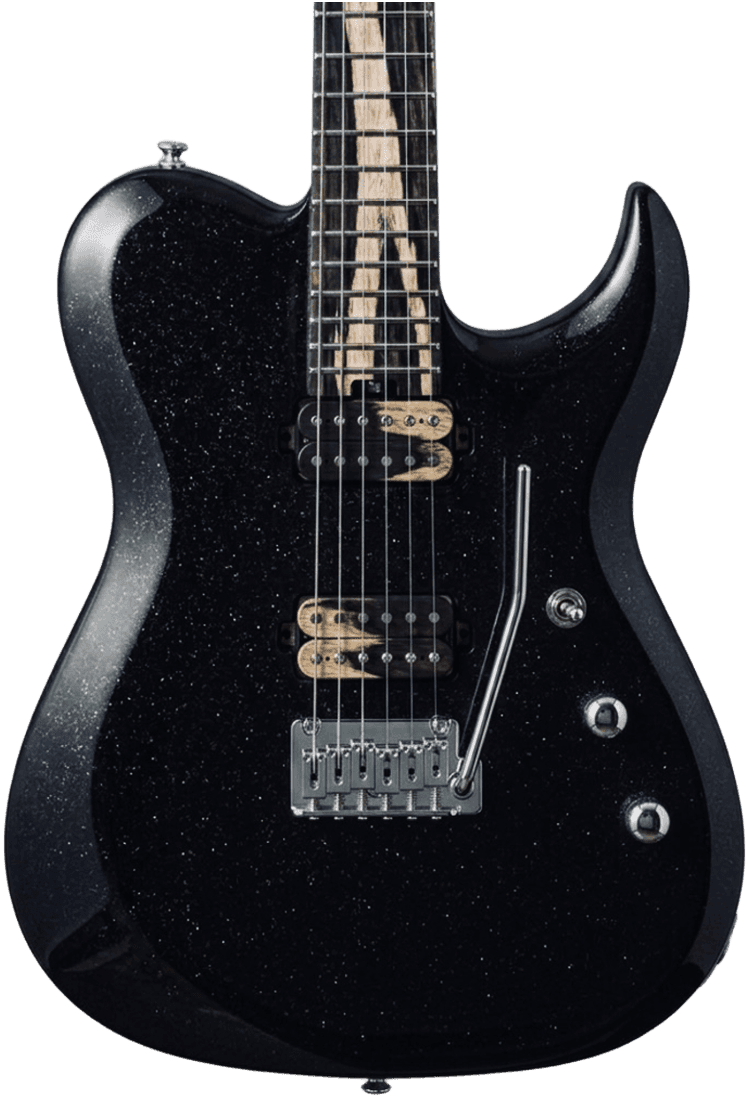
10 finishes available — and this is not a closed list
What sets it apart
Twenty-four frets on a shape that had twenty-two
Two full octaves on a Tele are not had by adding two frets at the end: the neck pickup moves towards the bridge, and its voice moves with it. That is why this is not a Tele Modern with a couple of extra frets, but a model of its own.
Six or seven strings, and the seventh changes the neck
With seven strings the nut goes from 43 to 48 millimetres and the far end from 57.2 to 66: five and nine millimetres, and they are what decides whether the hand fits. It is not a string added to an existing neck — it is a neck drawn for seven.
Stainless steel frets
On an instrument built for low tunings the bends are wider and more frequent, and nickel silver dents. Stainless steel does not: the setup stays where it was on day one for years, and a refret — the most expensive job in an instrument's life — never comes.
The whole of it
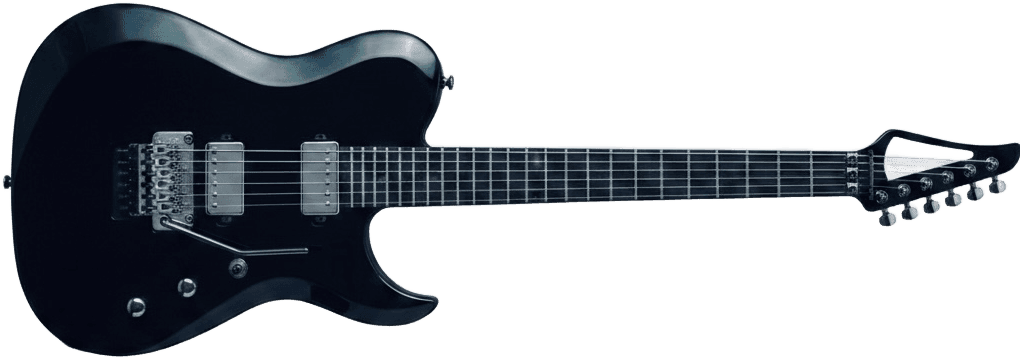
Tele Evo, headstock to bridge.
Specifications
What is settled, and what you settle.
It is the model
They do not change: they are what makes this a Tele Evo.
- Number of strings
- Six or seven strings
- Number of frets
- Twenty-four frets
- Scale length
- 648 mm25.5 inches
- Fretboard radius
- 16″
- Neck width, six strings
- 43 mm at the nut · 57.2 mm at the last fret
- Neck width, seven strings
- 48 mm at the nut · 66 mm at the last fret
- Frets
- 24, stainless steel
- Case
- ABS hard caseIncluded
- Certificate of authenticity
- Numbered, dated and signed by handIncluded
You choose
Every line here is a conversation, not a drop-down.
- Neck and fretboard
- Curly maple · Wenge · Select mahogany
- Fretboard
- Pau ferro · Ebony · Pale Moon Ebony · Curly maple · Rosewood
- Nut
- Bone · Tusq
- Pickup brand
- De Gattis · other brands on requestDe Gattis are standard because we make them ourselves; another brand gets fitted for anyone arriving with something specific in mind
- Hardware colour
- Black · Nickel · Gold · Chrome · Ruthenium
- Fret markers
- Mother of pearl · Abalone · Luminlay
And now
Carry on building it.
The green lines above are yours to decide. In the Custom Shop you pick them one by one, and at the end it is the luthier who writes back, not a form.